How Can You Maintain Dental Implants at Home?

Last Updated: November 21, 2026
Quick Summary
Maintain dental implants at home by brushing twice a day with a soft-bristled toothbrush, cleaning along the gumline, and flossing or using interdental brushes daily. Choose non-abrasive toothpaste, avoid habits that cause damage, and keep up with professional cleanings. Home care works best alongside dental visits.
Brush at least twice a day with a soft-bristled toothbrush and gentle, short strokes.
Use implant-specific floss or interdental brushes daily, matched to your restoration type.
Choose a low-abrasion toothpaste and ask your dentist which mouth rinse suits you.
Avoid chewing ice, hard candy, or pens, and mention any teeth grinding to your dentist.
Schedule professional checkups, typically about every three months, and call promptly for bleeding or looseness.
Is your implant getting the care it needs?
Dental Arts By Romani offers implant care and cosmetic dentistry with a bilingual team in Springfield, NJ.
Table of Contents
Why Home Care Matters After Dental Implant Surgery
Dental implants can last for many years, but long-term success depends heavily on daily home care between dental visits. Surrounding gum and bone tissue need consistent cleaning to stay healthy. Clinical update on implant maintenance visits and their purpose
Professional monitoring matters too. A typical maintenance visit lasts about one hour and is generally scheduled every three months so a dentist can check changes in oral health. Clinical update on implant maintenance visits and their purpose That interval is a general guideline, not a substitute for a schedule tailored to you.
Research on long-term implant maintenance, including comparisons of home-care and professional-care techniques, continues to develop. Systematic review of home and professional care for long-term implant maintenance Home care cannot replace professional cleaning and monitoring. At Dental Arts By Romani, we see daily habits and professional follow-up work best as a pair.
Step 1: Brush Twice a Day With a Soft-Bristled Toothbrush
Brush at least twice a day with a soft-bristled toothbrush. Stiff bristles can irritate the gums around the implant.
Use gentle, short strokes angled toward the gumline.

Step 2: Clean Around the Implant and Along the Gumline
Plaque can collect where the crown meets the gum, so focusing your brushing on that junction with small circular motions is a reasonable habit.
Pay attention to the back surfaces you can easily miss.
Step 3: Floss Daily and Use Interdental Brushes
Clean between teeth and around the implant at least once a day. A toothbrush cannot reach the sides of a crown or the space under an implant-supported bridge, and that is where plaque builds up first. Guidance on interdental cleaning around dental implants
Pick the tool that fits the restoration, not the one you used before implants.
Implant crowns and single implants: Use implant-specific floss, often labeled dental tape or superfloss, that has a stiff end for threading under the crown and a spongy section for wiping the sides.
Implant-supported bridges: Thread floss or a bridge threader under the bridge and move it back and forth along the underside, then wrap and wipe each abutment. A interdental brush sized to the gap does the same job faster if the space allows.
Interdental brushes: Choose the largest size that slides in without force. If you feel resistance or the bristles bend flat, the brush is too big; if it spins freely without touching the sides, it is too small.
Tight contacts: When the gap is too narrow for a brush, use floss or a water flosser on the low setting rather than forcing a brush.
Technique that protects the gum seal: Slide the tool gently through the contact, hug the side of the crown, and move it up and down before lifting it out. Angle the brush slightly toward the gumline and let the bristles do the work.
Watch out: Do not use a metal or stiff plastic pick to scrape around an implant; it can scratch the crown and injure the gum seal. If flossing causes bleeding that persists for more than a few days, mention it at your next visit rather than stopping the cleaning. Keeping the gum seal healthy depends on gentle, consistent technique, so flossing effectively every day can help make cleaning around the implant part of your routine.
The article's interdental cleaning guidance comes down to matching the tool to the restoration type.
Restoration | Recommended tool | Key tip |
Implant crowns and single implants | Implant-specific floss (dental tape or superfloss) | Stiff end threads under the crown; spongy section wipes the sides |
Implant-supported bridges | Floss or bridge threader | Move under the bridge, then wrap and wipe each abutment |
Gaps that fit a brush | Interdental brush | Choose the largest size that slides in without force |
Tight contacts | Floss or water flosser on low setting | Avoid forcing a brush into a narrow gap |
Step 4: Choose Non-Abrasive Toothpaste and a Gentle Rinse
Toothpaste: Select a fluoridated toothpaste labeled low-abrasion or gentle-whitening. Abrasive formulas, such as some whitening or tartar-control pastes, can be harsher on dental restorations. Ask your dentist which toothpaste suits your implant.
Mouth rinse: An antiseptic rinse can support your routine, but it should complement brushing and flossing rather than replace them. Ask your dentist which rinse suits your healing stage and restoration type, because the right choice changes over time:
During healing: Your dentist may prescribe a rinse for a short period. Use it only as directed.
After the restoration is complete: Ask your dentist which rinse suits your restoration type.
If you have a history of gum disease: Your dentist may recommend a rinse with additional antibacterial ingredients; do not add one on your own without asking.
Watch out: If a rinse stings or leaves your mouth dry, stop and ask your dental team for an alternative.
Guidance on toothpaste abrasivity and mouth rinse selection
Step 5: Use a Water Flosser at Low Pressure
A water flosser may help clean around implants and under bridges. Start at the lowest pressure setting and aim the tip at the gumline at a gentle angle.
Step 6: Protect Your Implants From Habits That Cause Damage
Avoid chewing ice, hard candy, or pens, which can crack crowns. Grinding or clenching your teeth can also stress the implant, so mention any grinding to your dentist.
Tobacco use can affect healing and gum health, so ask your dentist for guidance on it.
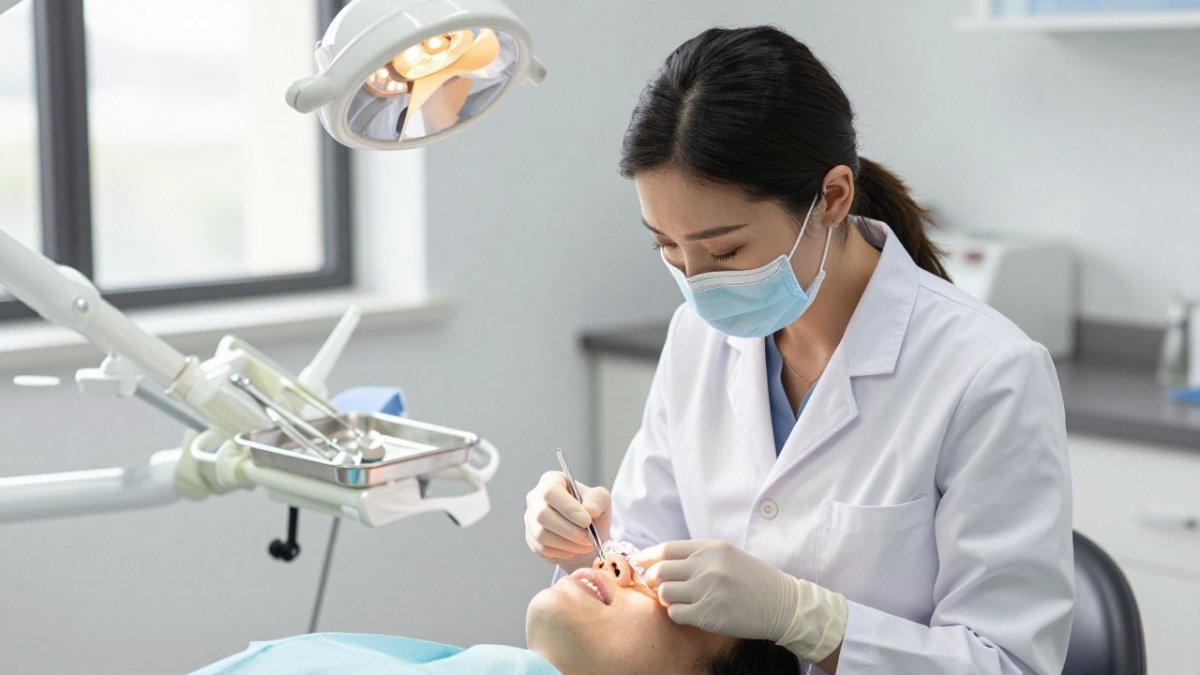
Step 7: Keep Up With Professional Cleanings and Checkups
Schedule professional cleanings and checkups as your dentist recommends. You can contact our office to book an appointment by phone, email, or in person. Routine visits give your dental team the chance to check for changes.
Watch out: Do not wait for pain before calling your dentist. Gum bleeding, swelling, looseness, or lingering soreness around an implant should be checked promptly.
When to See Your Dentist
Contact your dentist if your implant becomes sore, loose, swollen, or bleeds.
Persistent bad taste, pus near the implant, or a change in how your bite fits also warrant a prompt visit.
Keeping a dental implant healthy takes steady daily habits and regular professional care. Dental Arts By Romani is ready to help you build a maintenance routine that fits your needs. Book an appointment to review your implant care and get personalized guidance from our experienced team.
Frequently Asked Questions
How do you maintain dental implants?
Maintaining dental implants at home comes down to consistent daily habits. Brush twice a day with a soft-bristled toothbrush and fluoridated, non-abrasive toothpaste, paying attention to the gumline around the implant crown. Clean between teeth and around the implant every day with floss or interdental brushes, and consider a water flosser on a low setting. Avoid tobacco and keep your scheduled dental visits. Home care supports long-term success but does not replace professional monitoring.
Do dental implants need to be cleaned every day?
Yes. Dental implants can accumulate plaque and bacteria just like natural teeth, and that buildup can affect the tissue around the implant. Daily cleaning, including brushing twice a day and cleaning between the teeth and implant with floss or an interdental brush, helps keep gums healthy. A dentist can recommend a cleaning routine tailored to your implant type and healing stage.
Can you floss around dental implants?
Yes, you can floss around dental implants. Use waxed floss or a floss threader to guide the floss under the implant crown and along the gumline, moving it gently up and down. Interdental brushes sized to the space around the implant are another option. If flossing causes bleeding that does not stop, or the gums feel sore, contact your dentist rather than forcing the floss through.
How often should dental implants be professionally checked?
Professional maintenance visits let your dentist evaluate changes in oral health. Your dentist may set a different schedule based on your health history, habits and the condition of your implants, so follow the plan your provider gives you. Professional cleanings reach areas that home care can miss.

Comments